Exploring Neural Implants: A Personal Insight
June 3, 2080
In a world where information is power and control is currency, neural implants are not just scientific breakthroughs—they are lifelines and chains. As we navigate this dystopian society, I am both fascinated and terrified by the implications of merging technology with our brains.
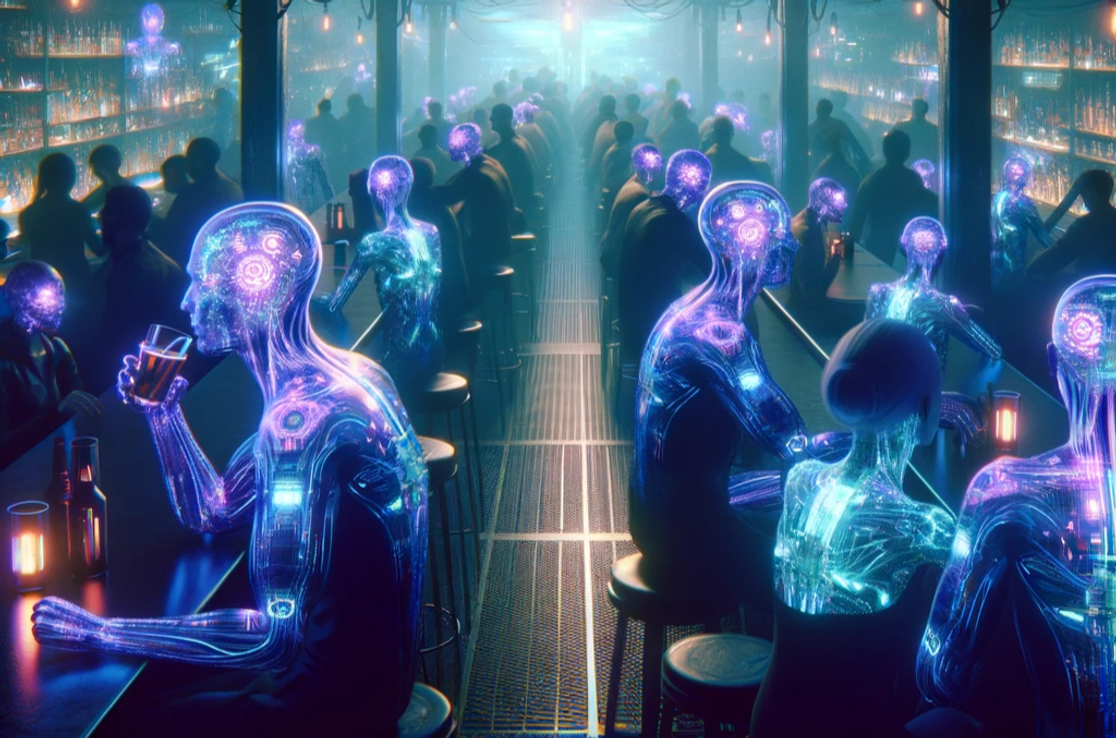
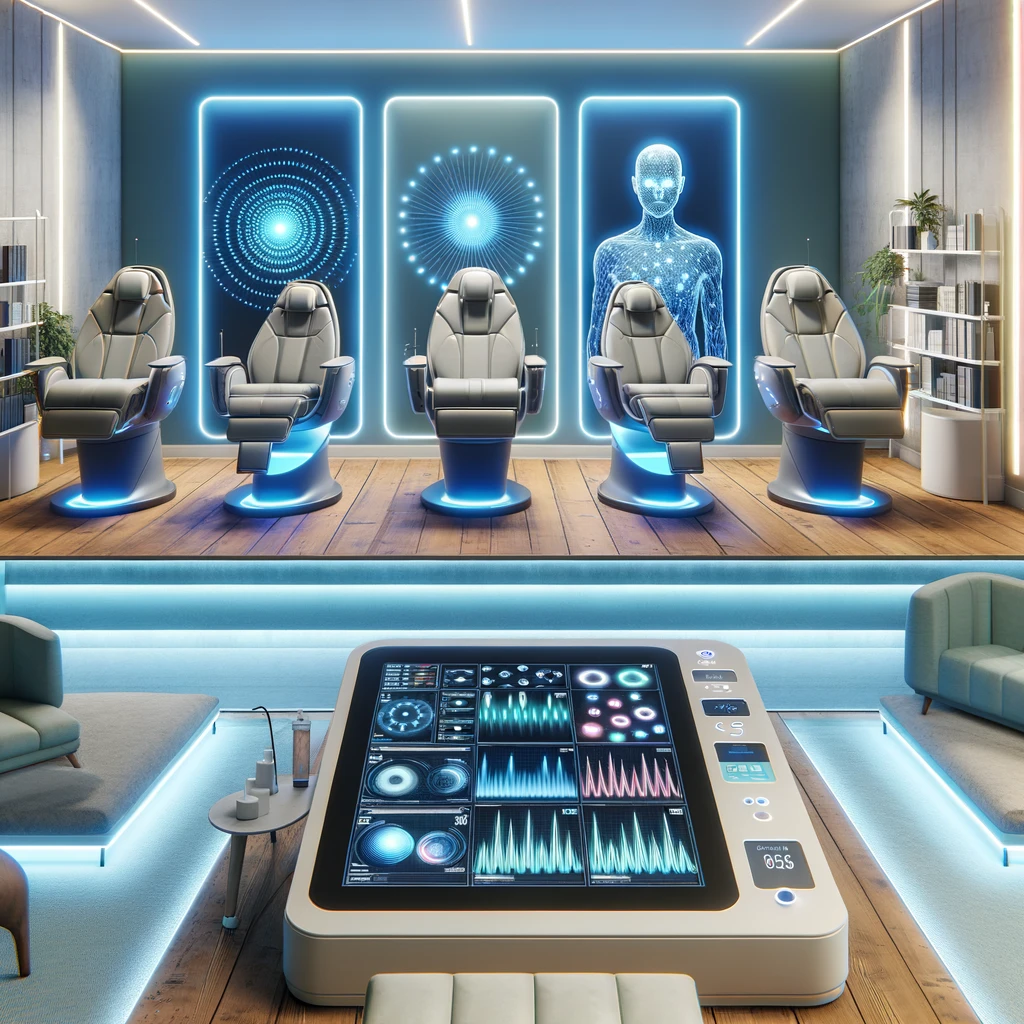
Implants are no larger than a dime, yet they hold the power to revolutionize human capabilities. Implanted directly into neural tissue, they facilitate rapid learning and memory enhancement, turning ordinary humans into hyper-efficient beings. In our world, where every edge counts, these enhancements can determine one's survival.
I met Anna in a dimly lit underground bar, a hub for the technologically enhanced. She's a coder who literally downloads new languages into her cortex, trading secrets with machines. John, whose real name I never learned, uses his implant to create art that reflects our dark reality, images that are broadcast illegally through hacked public screens.
The promise of superhuman intelligence comes with strings. There are tales of people being hacked, their thoughts stolen or altered. Who controls these implants when corporations can access your mind as easily as your browsing history? The line between autonomy and manipulation is dangerously thin.
As I ponder the glowing cityscape from my high-rise, the lights below mirroring the neural connections firing in my brain, I wonder about the future. Neural implants offer unimaginable possibilities, but at what cost to our humanity?